
Staying active is one of the best things we can do for our bodies as we get older. But when our knees feel stiff, our hips ache after sitting too long, or our joints simply don’t move as easily as they once did, exercise can start to feel less appealing.
The good news is that staying active doesn’t have to mean running long distances, lifting heavy weights, or pushing through uncomfortable workouts.
In fact, gentle, consistent movement can be one of the most helpful ways to support joint mobility, maintain strength, and make everyday activities feel easier.
The key is finding activities you enjoy and building a routine that works for your body.
Why Movement Matters for Joint Comfort
It might seem logical to rest whenever your joints feel stiff, but too much inactivity can sometimes make stiffness worse.
Our joints are designed to move. Regular physical activity helps maintain the strength of the muscles surrounding them, supports flexibility, and encourages the circulation of synovial fluid, which helps lubricate many of our joints.
Movement also helps preserve balance, coordination, and the ability to perform everyday activities comfortably.
That doesn’t mean ignoring pain or pushing through an injury. It means recognizing that appropriate movement, balanced with rest and recovery, is an important part of long-term joint health.
Walking: A Simple Place to Start
Walking is one of the most accessible ways to incorporate movement into your day.
It requires very little equipment, can be adjusted to almost any fitness level, and allows you to control your pace and distance.
If you’re just getting started, even a short walk around the neighborhood or a few minutes on a treadmill can be worthwhile.
Ways to make walking more comfortable:
- Start with a manageable distance and increase gradually.
- Wear supportive, comfortable walking shoes.
- Choose relatively flat surfaces if hills aggravate your joints.
- Begin at an easy pace before walking faster.
- Break longer walks into shorter sessions when needed.
Consistency matters more than speed. A comfortable 15-minute walk that you enjoy is more useful than an exhausting workout that leaves you reluctant to exercise again.
Low-Impact Cardio That Keeps You Moving

Walking isn’t your only option for staying active without excessive impact.
Several types of cardiovascular exercise allow you to raise your heart rate while reducing the repetitive pounding associated with activities like running and jumping.
Consider trying:
- Stationary cycling: Provides a controlled, low-impact way to exercise your legs.
- Swimming: Water supports your body weight, making movement more comfortable for many people.
- Water aerobics: Combines gentle resistance with reduced weight-bearing stress.
- Elliptical training: Offers continuous movement without the same landing impact as running.
Not every activity feels comfortable for every person. For example, cycling may feel great for one person’s knees but uncomfortable for someone else.
Experiment with different options and pay attention to how your joints feel both during exercise and afterward.
Strength Training Supports Your Joints
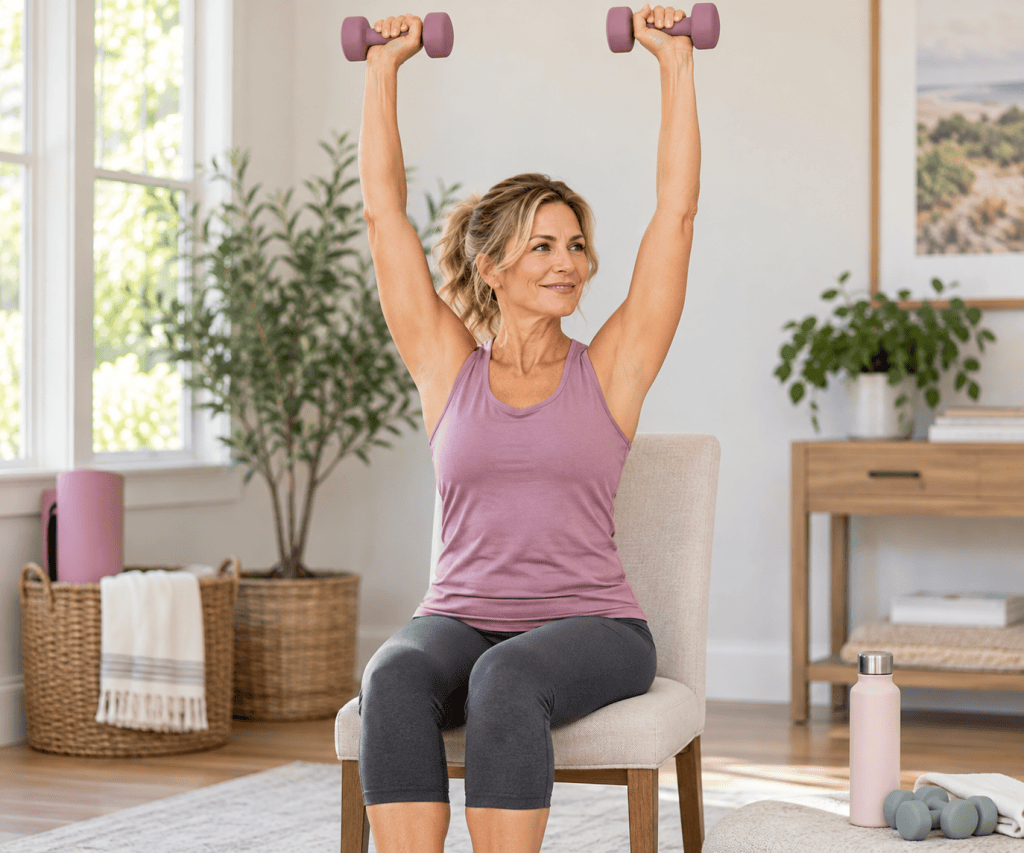
Strength training is often overlooked when people think about joint comfort.
However, strong muscles help support and stabilize the joints they surround.
For example, strengthening your quadriceps, hamstrings, and glutes can help support your knees and hips during everyday movement.
You don’t need a gym membership or heavy equipment to get started.
Simple exercises such as chair squats, wall push-ups, glute bridges, and resistance-band rows can help build strength.
A few tips for getting started:
- Begin with light resistance or body-weight exercises.
- Focus on controlled movements rather than speed.
- Choose a comfortable range of motion.
- Allow time for recovery between challenging sessions.
- Increase resistance gradually as your strength improves.
If you have an existing joint condition, a physical therapist or qualified healthcare professional can help you choose appropriate exercises.
Gentle Mobility and Stretching
Have you ever stood up after sitting for a long time and needed a moment before you felt comfortable walking?
Periods of inactivity can leave muscles and joints feeling stiff.
Gentle mobility exercises help you move your joints through a comfortable range of motion, while stretching can help maintain flexibility in the surrounding muscles.
Try incorporating a few minutes of movement into your morning or taking short breaks throughout the day.
Simple movements to consider:
- Shoulder rolls
- Gentle neck rotations
- Ankle circles
- Seated knee extensions
- Standing hip circles
- Gentle calf and hamstring stretches
Move slowly and avoid forcing a stretch. A mild stretching sensation may be normal, but sharp or increasing pain is a reason to stop.
You don’t need an elaborate stretching routine. A few comfortable movements performed regularly can be a useful starting point.
Don’t Overlook Balance and Stability
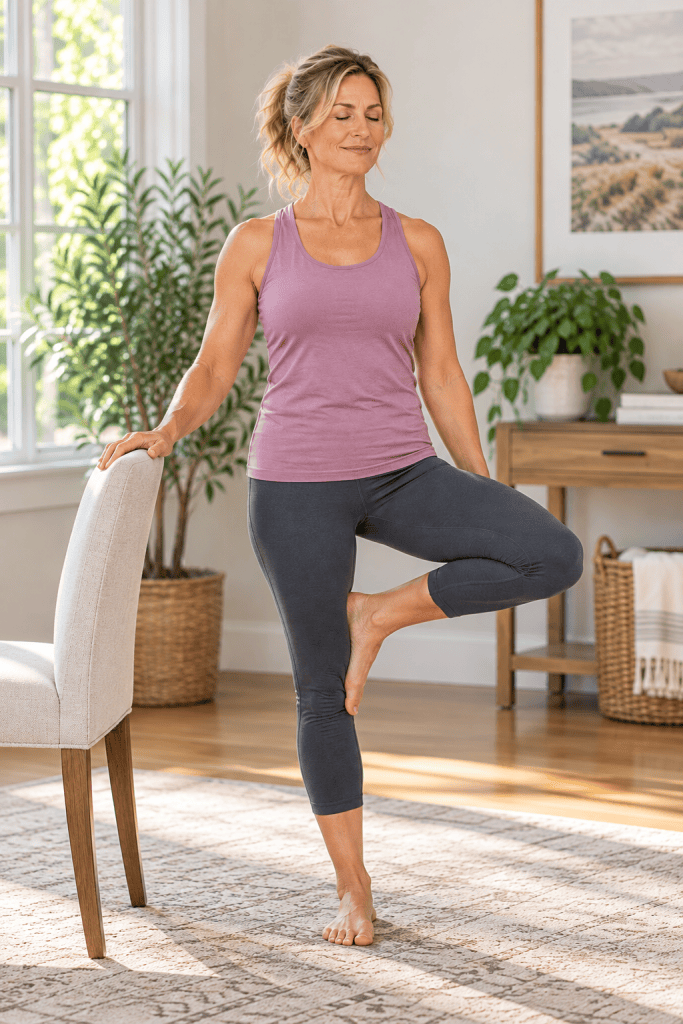
Balance becomes increasingly important as we age, especially when it comes to preventing falls and maintaining confidence in everyday movement.
Fortunately, balance exercises don’t have to be complicated.
Standing on one foot while holding a sturdy countertop, practicing controlled heel raises, or slowly walking heel to toe can help challenge your stability.
Tai chi is another gentle activity that combines controlled movement, balance, and coordination.
Always use appropriate support when practicing balance exercises, particularly if you feel unsteady.
Recovery Is Part of Staying Active
It’s easy to focus on what we should be doing more of, but recovery matters just as much as exercise.
Your muscles and joints need time to adapt to new activities, especially when you’re increasing your activity level.
That doesn’t necessarily mean spending your recovery days sitting still.
An easy walk, gentle stretching, or light mobility work may feel better than complete inactivity.
Getting enough sleep, staying hydrated, and alternating more demanding workouts with easier activities can also support a sustainable routine.
Most importantly, pay attention to how your body responds.
Some temporary muscle soreness can occur when starting a new exercise program, but persistent joint pain, swelling, or worsening symptoms deserve attention from a healthcare professional.
Build a Routine You Can Actually Maintain
One of the biggest mistakes people make when starting an exercise routine is trying to change everything at once.
You don’t need to exercise intensely every day to benefit from movement.
A realistic week might include a few comfortable walks, two days of gentle strength training, and short mobility sessions throughout the week.
The exact schedule matters less than choosing activities you can perform consistently and comfortably.
Start where you are, not where you think you should be.
If five minutes of walking feels manageable today, that’s a perfectly reasonable place to begin. As your comfort and endurance improve, you can gradually add more.
Staying Active Is About Feeling Good in Everyday Life
Staying active isn’t just about burning calories or reaching a fitness goal.
It’s about being able to enjoy the things you love, whether that’s gardening, traveling, playing with grandchildren, taking a long walk, or simply getting through the day with greater ease.
Joint comfort can change as we age, but movement doesn’t have to disappear from our lives.
By choosing activities that feel good, building strength gradually, and allowing time for recovery, you can create an active lifestyle that supports your body for years to come.
You don’t have to move perfectly. You just have to find ways to keep moving.
This article is for general educational purposes and is not a substitute for personalized medical advice. If you experience persistent joint pain, swelling, or limitations in movement, consult a qualified healthcare professional.


Leave a Reply